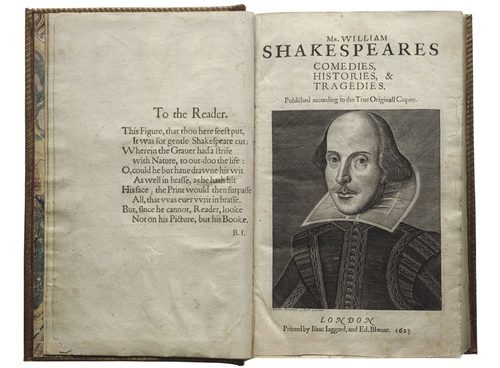
The First Folio of William Shakespeare’s plays is a landmark object in the history of theater. Published in 1623, just seven years after the death of the playwright, it contains the first collected edition of his plays, including many that would not have survived without its publication. This book not only captures Shakespeare’s genius but… Continue reading Entry by Pedro Rivas: The First Folio of William Shakespeare’s plays (1623)
Author: Alan
Review By-MD Rafin: Constellations

Constellations, a drama by The City College of New York, was performed this past weekend. This play, written by Nick Payne in 2012, told the story of a young couple named Roland (a beekeeper) and Marianne (a scientist). The story sets us through the same plots several times in alternative universe. To which, had slight… Continue reading Review By-MD Rafin: Constellations
Review by Gianna Maurer: Constellations
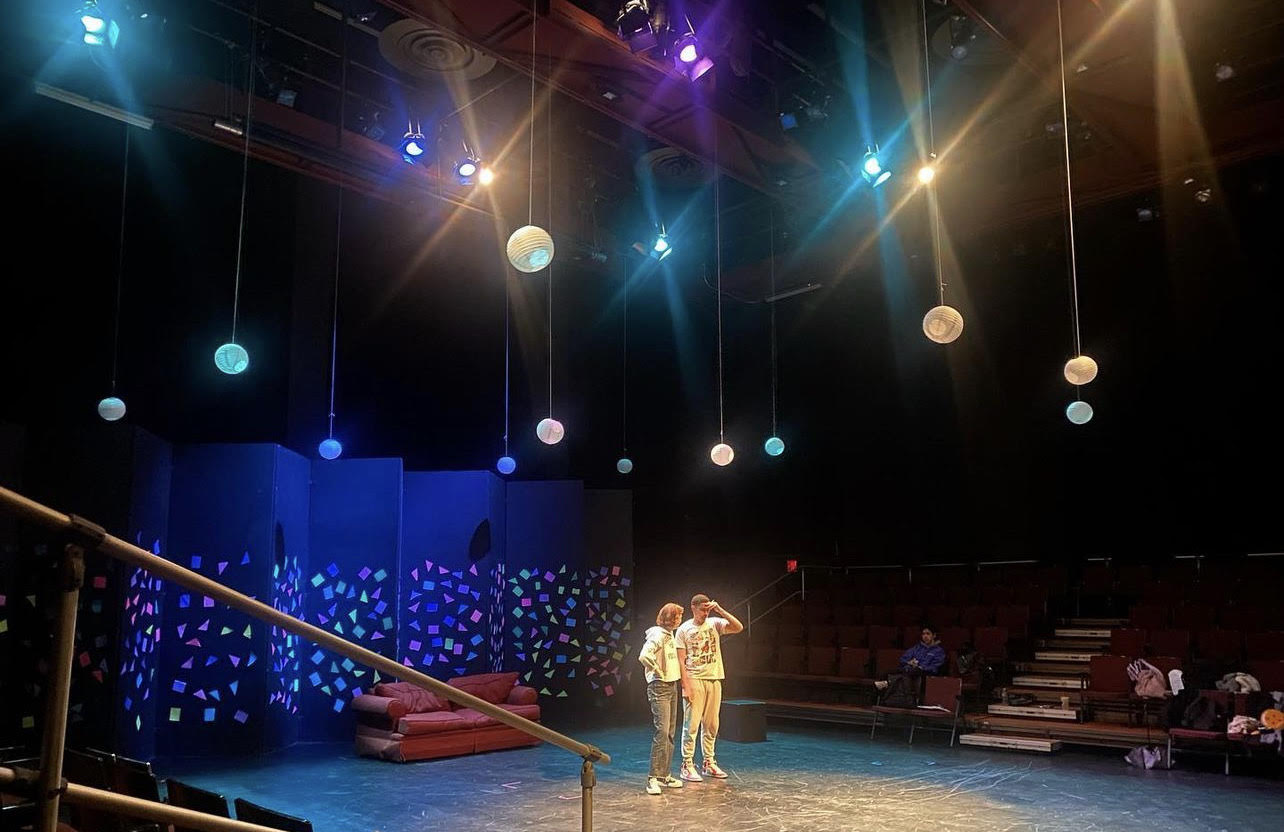
This past weekend, The City College of New York, put on a play titled Constellations. Originally written by Nick Payne in 2012, this play encapsulated the story of a young couple, Roland (a beekeeper) and Marianne (a physicist). It takes us through their story multiple times, in multiple parallel universes. There would be slight changes… Continue reading Review by Gianna Maurer: Constellations
Entry by Gianna Maurer: Kabuki: Ref.: player as masked Shinto Priest
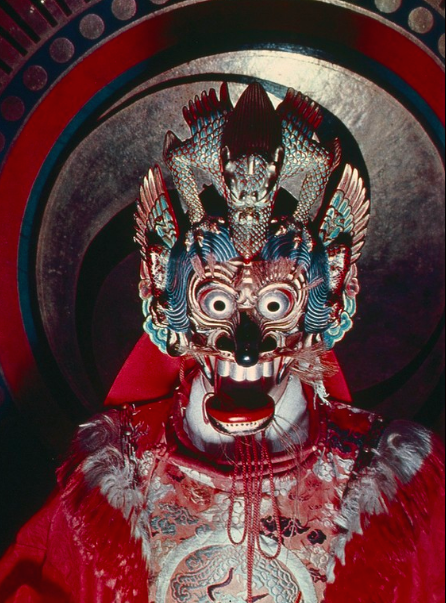
This image features a Japanese actors wearing an Shinto Priest costume for a Kabuki theater performace. In Kabuki, masks were worn by every actor. They were used to conceal the actors identity, as Kabuki actors were often of low social status and not considered sutiable for public appearances. The mask symbolized the character’s identity, emotions,… Continue reading Entry by Gianna Maurer: Kabuki: Ref.: player as masked Shinto Priest
Entry #2 By Alan Vara:The Enchanted Island, Before the Cell of Prospero – Prospero and Miranda (Shakespeare, The Tempest, Act 1, Scene 1), Benjamin Smith (British, active 1786–1833), Stipple engraving and etchingEntry #2 By Alan Vara:
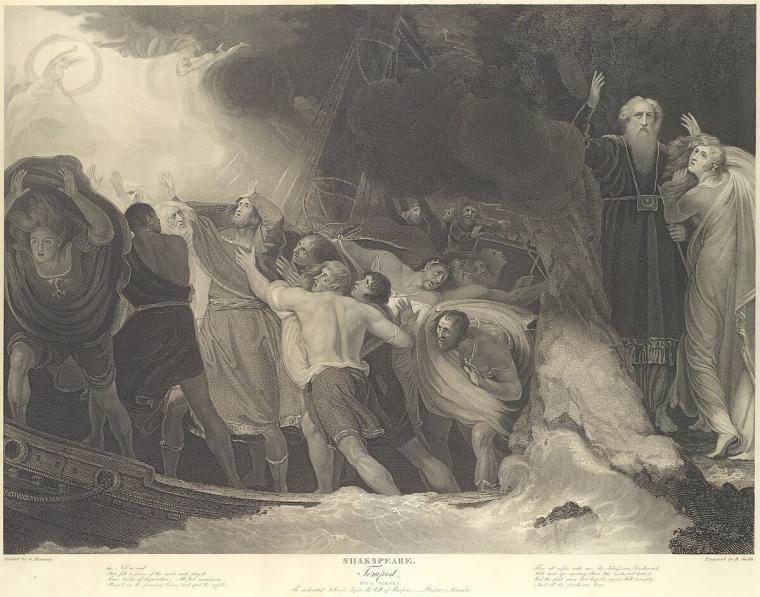
Jacobean English theater was a style of theater that was commonly performed in playhouses during the mid 1500’s to the mid 1600’s. The plays were often written in elizabethan english and embodied the spirit of english society at the time. They represented a lot of the topics of interest at the time, like the nature… Continue reading Entry #2 By Alan Vara:The Enchanted Island, Before the Cell of Prospero – Prospero and Miranda (Shakespeare, The Tempest, Act 1, Scene 1), Benjamin Smith (British, active 1786–1833), Stipple engraving and etchingEntry #2 By Alan Vara:
Entry by Gianna Maurer: Reference, Italy, Commedia dell’arte, Marcello Moretti as Harlequin
This image features Marcello Moretti, playing the Harlequin in a classic Commedia dell’arte performance. He was playing this role at the Piccolo Teatro in Milan, Italy. This theater is considered a theater of major national and European importance. The Harlequin of the Piccolo Teatro in Milan was the most famous and seen Italian theater show… Continue reading Entry by Gianna Maurer: Reference, Italy, Commedia dell’arte, Marcello Moretti as Harlequin
Theatre Review
The runner stumbles by Cynthia Balbi
Entry by: Casseus Felton
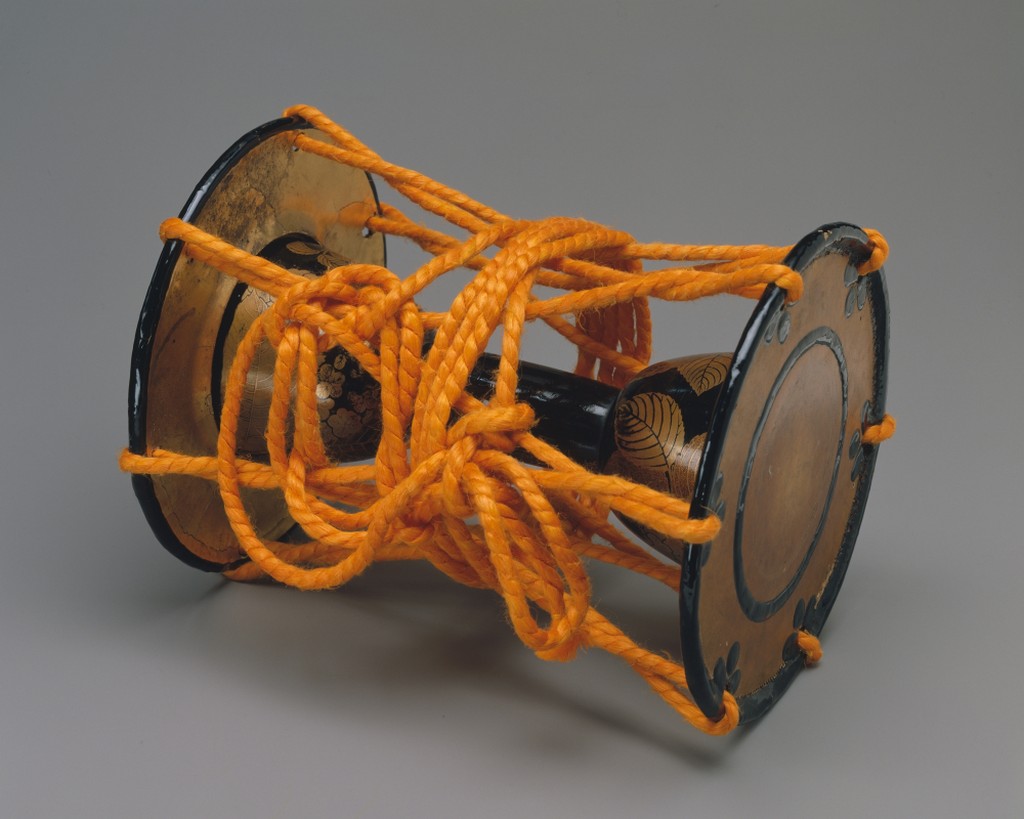
The Kotsuzumi Drum
Entry By Alan Vara: Kabuki Actor Sawamura Sojuro III as Kuhaku Saburo
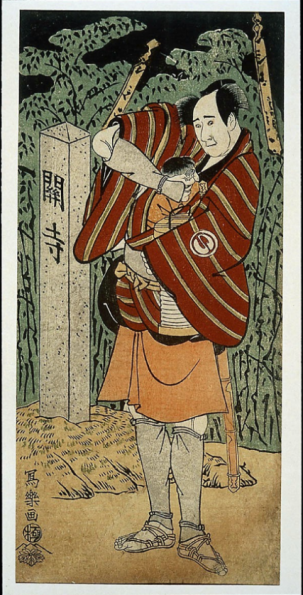
Kabuki theater was a popular form of entertainment during the Edo period and is one of Japan’s most esteemed forms of theater. Kabuki performances were recognized for their exaggerated and motions and eye catching costumes and make up, as the actors would make a lot of the details including their props and outfits almost comically… Continue reading Entry By Alan Vara: Kabuki Actor Sawamura Sojuro III as Kuhaku Saburo
Processional Cross
By Cynthia Balbi The cross is seen in the churches that dot the Christian kingdoms of the Northern Spain during the Middle Ages which is conveyed by this cross. It originates from a church, built in the eleventh century, fifty miles east of Oviedo. The meaning behind the cross is that the Rome that crucified Jesus has… Continue reading Processional Cross

